
**Verified development**
Power to Hydrogen (P2H2) announced on 18 September that its 500 kW green-hydrogen plant has begun commercial production at the NextGen District of the Port of Antwerp-Bruges. The installation comprises two 250 kW anion-exchange-membrane (AEM) electrolyser stacks and is expected initially to produce up to 70 tonnes of hydrogen a year. Regional gas supplier Holthausen and other local customers are named as initial offtakers; the stated initial use is principally mobility, with industrial demand also envisaged.
The plant is notable because P2H2 describes it as the first commercial deployment of 250 kW AEM stacks. The system is designed to operate between 10% and 100% load and to follow day-ahead electricity prices, increasing output when renewable power is cheaper. The project received support from the European Regional Development Fund and Flemish innovation funding. Port Technology International independently reported the commissioning and the stated capacity and operating approach.
**Operational context**
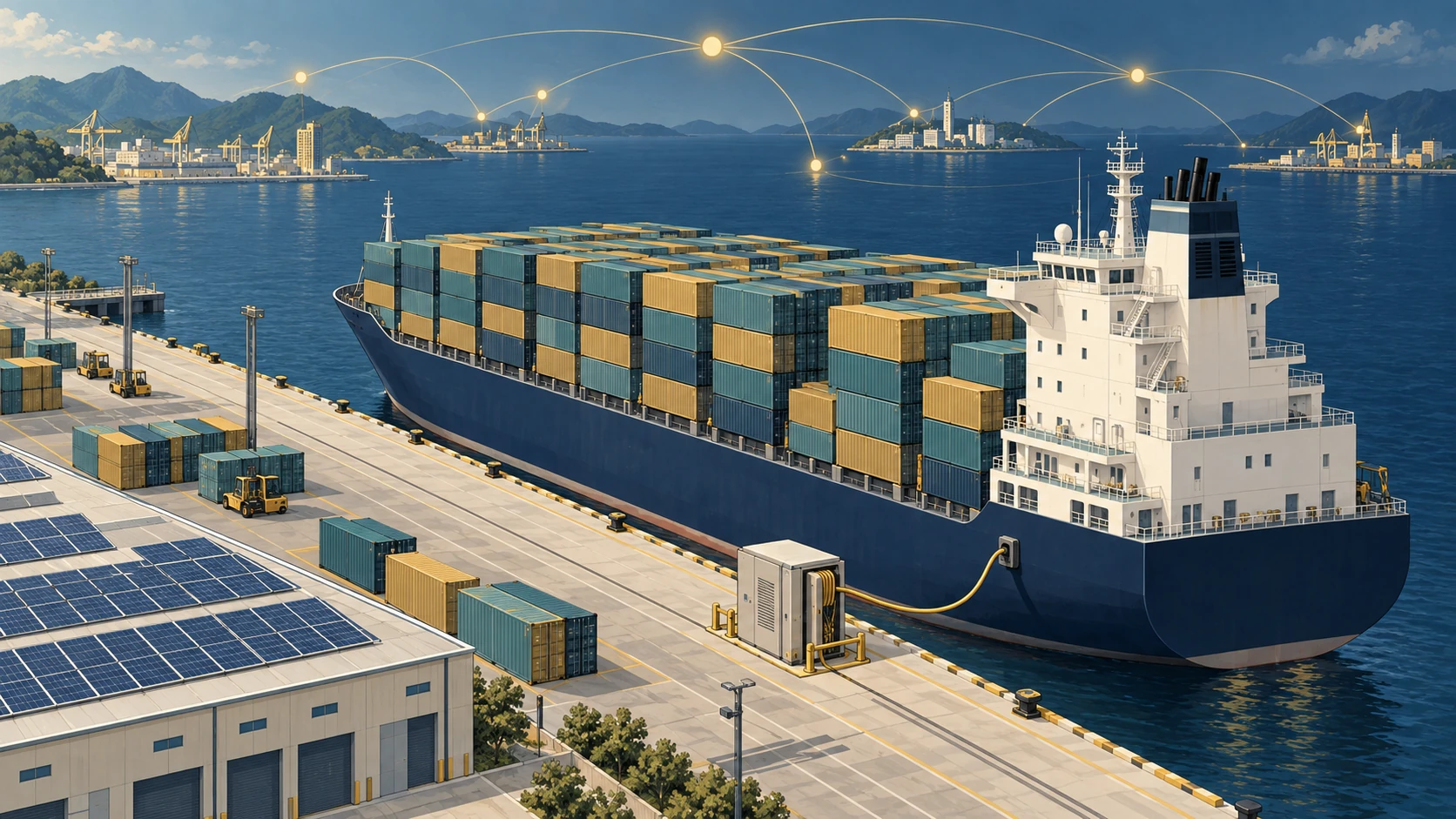
This is a port-based hydrogen-production demonstration rather than a marine-fuel supply commitment. At the announced output, it is far below the volumes that would be needed to support routine bunkering of ocean-going vessels. It therefore should not be read as evidence that hydrogen bunkering is commercially available at Antwerp-Bruges, or that a specific shipowner has committed to use the fuel.
Its practical significance lies elsewhere. Flexible electrolysis is one possible response to a central problem in alternative-fuel infrastructure: matching volatile renewable-power availability and price with industrial demand. AEM technology is also being watched because developers aim to reduce reliance on scarce precious-metal inputs used in some other electrolyser designs. However, durability, bankability, delivered hydrogen cost, storage, distribution, safety controls and dependable offtake remain decisive questions before projects can scale from demonstration to marine-fuel infrastructure.
**Why this matters**
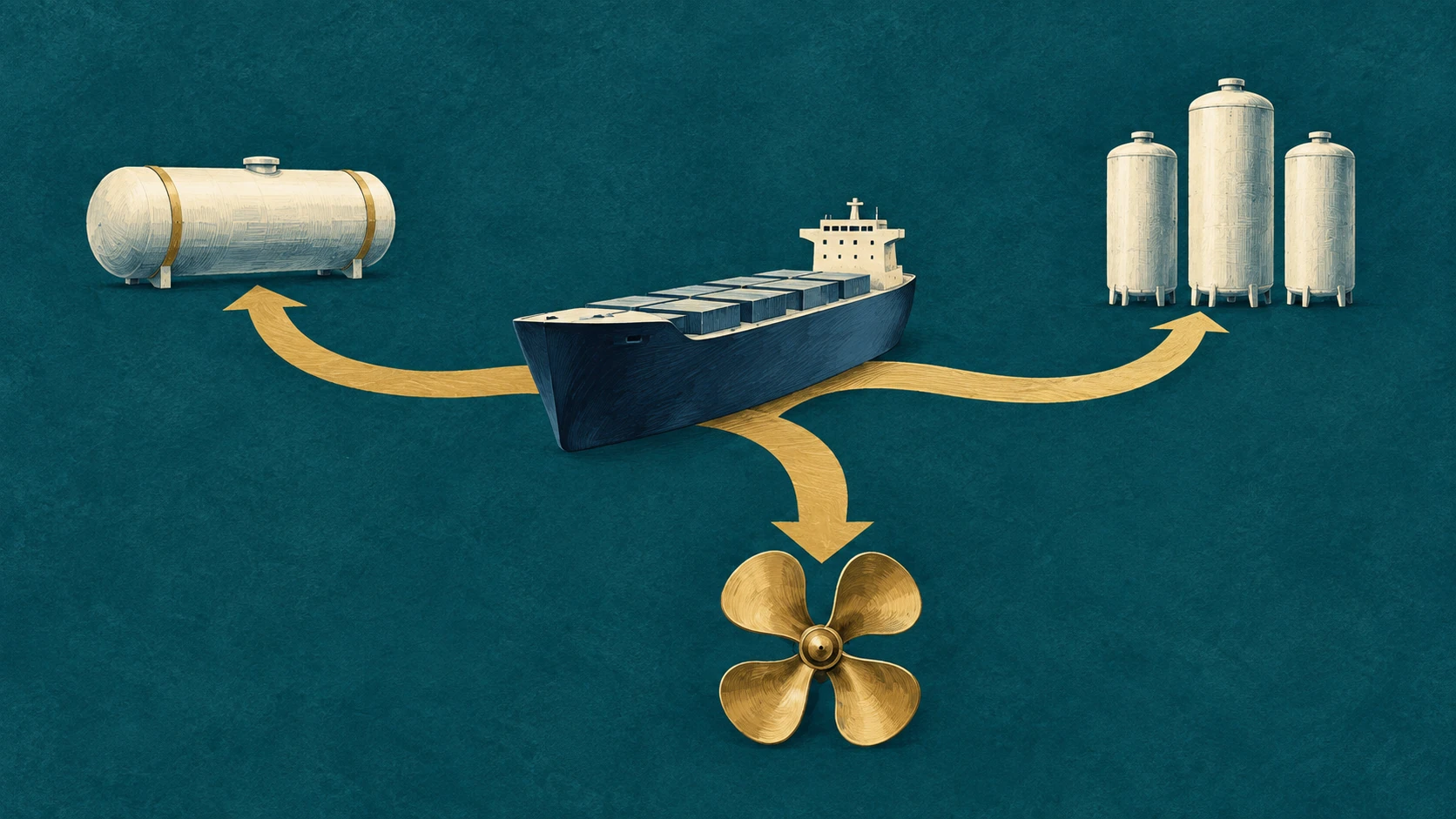
For shipowners, charterers and cargo interests, the development is a useful indicator of how ports may build evidence before committing to large alternative-fuel assets. Fuel-transition claims should be separated into three categories: installed equipment, verified production and accessible marine supply. This project has reached the first two at a small scale; the third has not been announced.
Operators evaluating hydrogen or hydrogen-derived fuels should continue to request clear evidence of fuel specifications, volumes, delivery mode, mass-balance and certification arrangements, interface risk assessments, emergency procedures and contractual allocation of delay and contamination risk. Ports and insurers may also view live industrial operation as a chance to develop incident-learning, hazardous-area and terminal-interface practices before larger bunkering projects are proposed.
Technology supported research and drafting. TWS retains editorial responsibility for the published content and cited sources.
Need operational support?