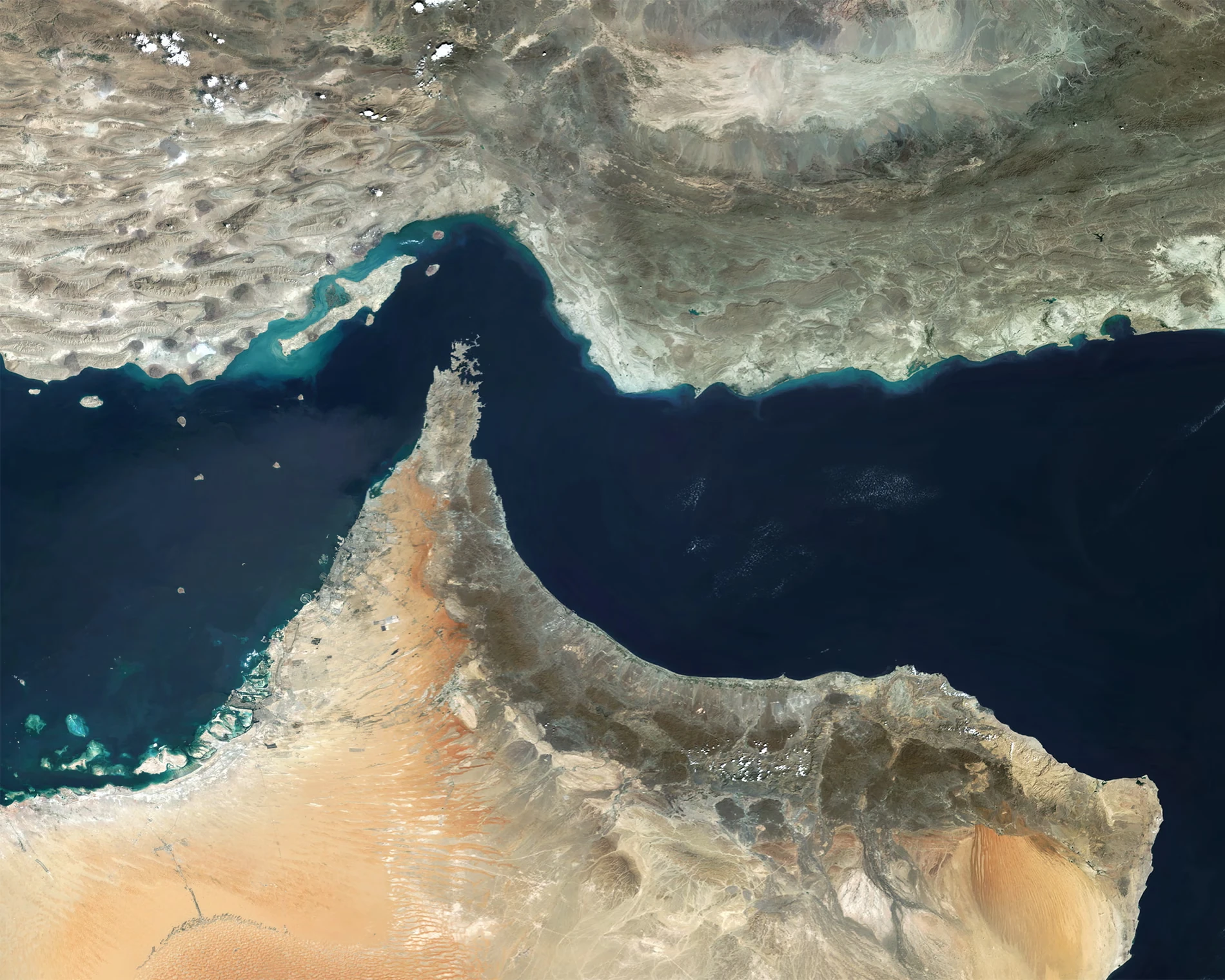
The International Maritime Organization (IMO) has added the Panama-flagged container ship VELA NOVA (IMO 9136228) to its confirmed Middle East incident list. The IMO records the vessel as damaged on 11 August 2026, 70 nautical miles south of Gwadar, Pakistan, with no pollution reported.
This is a material development because the reported position is in the Arabian Sea off Pakistan rather than within the Strait of Hormuz itself. It reinforces that voyage-security exposure connected with the wider Middle East conflict should not be assessed solely by reference to a vessel’s planned Hormuz transit. The IMO’s live incident page stated that, as of 11 August, it had confirmed 65 incidents and 17 seafarer fatalities in the Strait of Hormuz and wider Middle East theatre.
The facts presently available are deliberately limited. The IMO entry does not state the mechanism of damage, the cargo carried, casualties, the vessel’s operational condition after the event, or attribution to any state, armed group or other actor. Market and social-media reporting has circulated claims about the incident, but those claims have not been used as verified facts in this briefing. Vessel-tracking reference data identifies VELA NOVA as a Panama-flagged container ship built in 1996.
For owners, operators and masters, the operational lesson is to extend route-risk reviews beyond named chokepoints. Passage planning for Arabian Sea and Gulf of Oman approaches should incorporate current security notices, reliable communications arrangements, escalation contacts, crew-rest resilience, contingency bunkering and port-of-refuge options. Masters should preserve a contemporaneous record of navigation, security communications, sightings, AIS status and any deviation decisions, consistent with company procedures and applicable security guidance.
For charterers, cargo interests and insurers, the event is a further reason to test whether voyage instructions, additional-premium assumptions, war-risk clauses, liberty wording and notification obligations remain aligned with the actual geographic exposure. It would be premature to draw conclusions about liability, cover response, causation or recoverable loss from the information now public. Those matters will depend on the governing contracts, policy terms, vessel evidence and subsequent authoritative findings.
Why this matters: the confirmed location broadens the practical risk perimeter for container and project-cargo movements serving Gulf and western Indian Ocean trades. A security event outside the Strait can still disrupt ETA reliability, crew confidence, survey access, claims evidence preservation and underwriters’ aggregation assessments. The appropriate near-term response is heightened verification and voyage-specific contingency planning, not unsupported attribution.
Technology supported research and drafting. TWS retains editorial responsibility for the published content and cited sources.
Need operational support?