
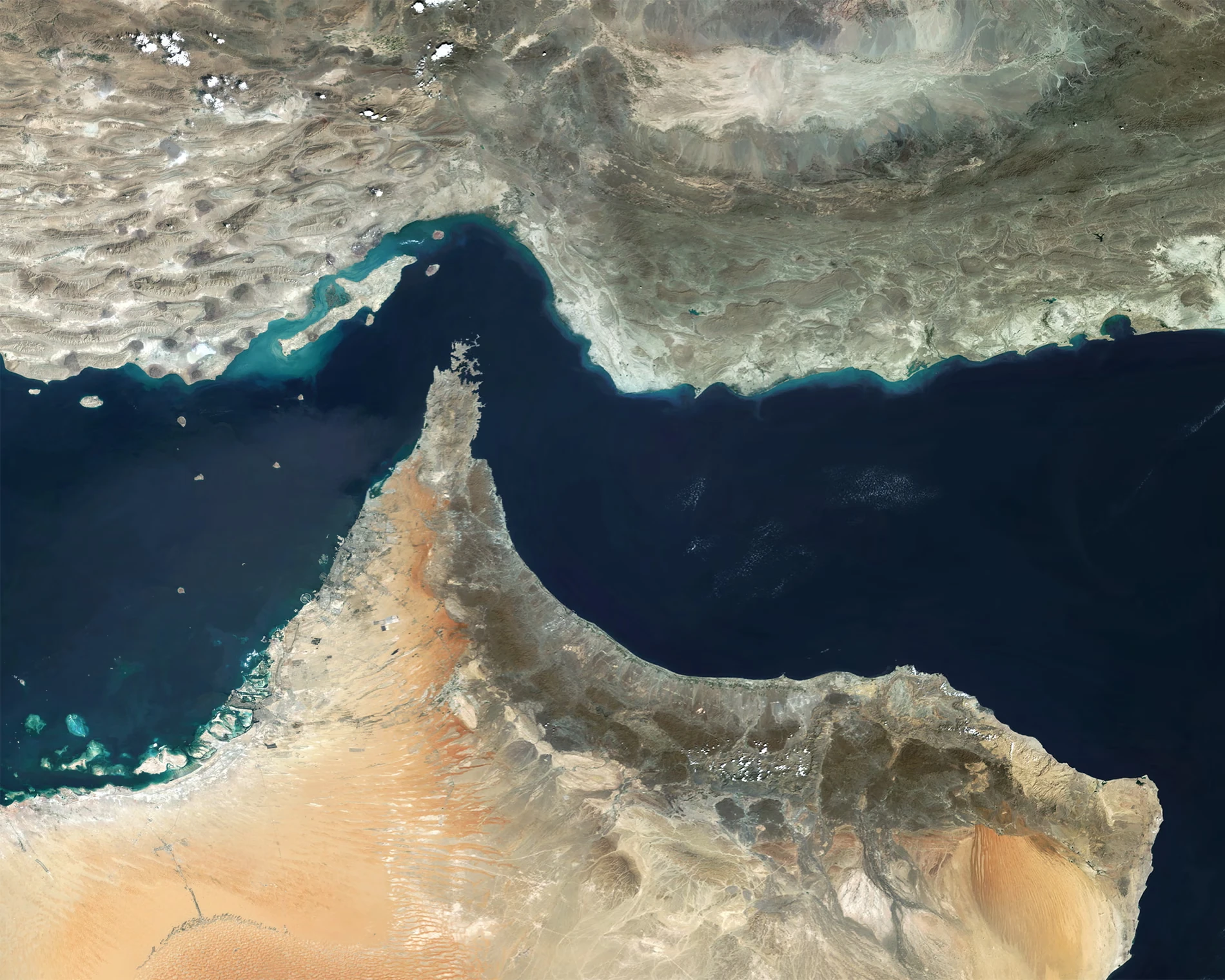
On 9 August, Associated Press reported that further details had emerged around a potential Iran-Oman arrangement for managing the Strait of Hormuz. According to the report, Tehran indicated that vessels linked to countries it regards as hostile could be barred. The report did not establish that a final agreement had been signed, that operating procedures had been published, or that access was available on uniform terms to commercial vessels.
This follows AP reporting on 4 August that Iranian and Omani officials had made progress in talks focused on safe inbound and outbound shipping lanes. Iran’s Foreign Ministry spokesperson was cited as saying the discussions concerned routes intended to respect sovereign rights while addressing national-security considerations. Those reported positions are significant, but they are not equivalent to a navigational notice, a port-state instruction, or confirmed insurer acceptance of a transit framework.
**Verified position:** negotiations and reported draft arrangements remain active; the reported concept of access appears conditional rather than a restoration of normal freedom of movement. There is no sufficiently verified public evidence in the material reviewed that all flags, ownership structures, cargo interests, charterers or trading routes would be treated alike.
**Operational analysis:** vessel interests should therefore avoid treating diplomatic progress as a blanket reopening signal. Before fixing, loading, diverting or ordering a transit, owners, charterers and managers should obtain current written confirmation from the flag administration, local agents, security providers and relevant authorities on routing, reporting, escort or clearance requirements. They should also test the full commercial chain—not only the vessel’s flag—against any applicable access criteria and sanctions controls. That includes beneficial ownership, technical management, cargo origin and destination, financing, insurer and reinsurer participation, and charter-party counterparties.
For P&I and hull interests, a central practical issue is whether the intended passage remains within agreed war-risk and security cover, and whether any payment, clearance or routing arrangement affects policy conditions or sanctions exclusions. Cargo interests should align bills of lading, notices of readiness, laytime and force-majeure communications with the actual transit status rather than assumptions based on political announcements. Masters should retain a conservative bridge-team, communications and contingency posture until route instructions, security assessments and port acceptance are independently confirmed.
**Why this matters:** even a partial or conditional Hormuz arrangement could alter voyage planning and tanker, gas-carrier and bulk-trade economics quickly. But an arrangement that differentiates vessels by commercial or national links may increase screening complexity, delay risk and insurance uncertainty rather than immediately normalize traffic. This remains a high-risk security and compliance development pending formal, operationally usable terms.
Technology supported research and drafting. TWS retains editorial responsibility for the published content and cited sources.
Need operational support?