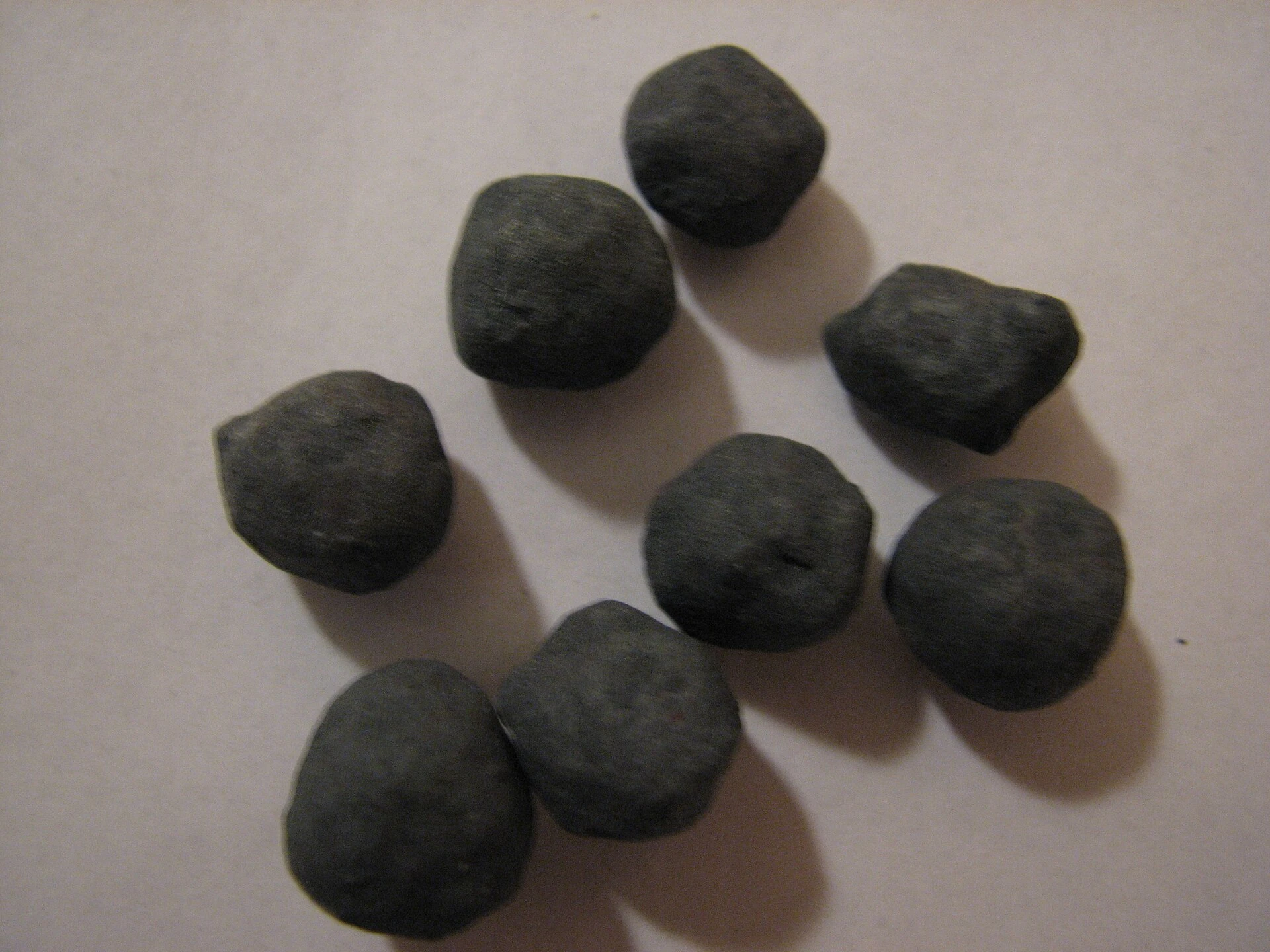
File:Iron ore pellets from Kiruna.jpg. Wikimedia Commons. Credit: JIP | Talk / Wikimedia Commons
Verified facts
The United States Trade Representative (USTR) took final Section 301 action on 15 July, imposing an additional 25% duty on imports from Brazil, subject to listed exemptions, with application from 22 July 2026. The final notice says the exemption list includes iron ore pellets and pig iron, as well as iron and steel waste and scrap. USTR said exemptions reflected, among other considerations, insufficient US or alternative supply and the potential for wider economic disruption.
Brazil’s Ministry of Development, Industry, Trade and Services (MDIC) stated on 24 July that the combined new US measures affect 23.1% of Brazilian exports to the United States by 2024 trade value. This includes 4.7% subject only to a 12.5% additional duty, a group that includes mineral ores; 1.9% subject only to the 25% Brazil-specific measure; and 16.5% subject to both measures, for a cumulative 37.5% additional duty. MDIC said 52.7% of Brazil’s exports to the US remain outside both the new Section 301 surcharges and the sectoral Section 232 measures.
MDIC also reported that Brazilian exports to the US fell 13% year on year in the first half of 2026. Crude-oil shipments declined 30.4%, while semi-finished products, ingots and other primary forms of iron or steel declined 21.7%. The ministry attributed the broader loss of momentum in bilateral trade to an environment of expanding and frequently revised US tariff restrictions.
Analysis
For maritime counterparties, the immediate effect is differentiated rather than a uniform interruption of Brazil–US commodity trade. The explicit exemption for iron ore pellets and pig iron should preserve the tariff treatment of those cargoes under this Section 301 action. It does not remove the need to check whether a cargo is covered by another US trade measure, including product-specific Section 232 treatment.
The main operational risk is therefore commercial and documentary: charterers, sellers, receivers and brokers should verify the applicable tariff classification, country-of-origin evidence, shipment date and US entry timing before fixing or releasing cargo. For steel-related cargoes, the reported fall in Brazilian exports to the US may translate into altered parcel sizes, loading windows or destination mix rather than an immediate cessation of trade. Owners and operators should also monitor whether exporters redirect affected volumes toward other Atlantic or Asian markets, because such shifts can change ballast positioning, port nomination patterns and tonne-mile demand.
Why this matters
The tariff regime creates cargo-specific exposure across iron ore, pig iron, steel semi-finished products and minerals. Clear alignment of sales terms, customs responsibility and bills-of-lading documentation is increasingly important to avoid discharge delays, demurrage disputes and claims arising from an incorrect duty assumption.
Credit: JIP | Talk / Wikimedia Commons. CC BY-SA 3.0. Open media source ↗
Technology supported research and drafting. TWS retains editorial responsibility for the published content and cited sources.
Need operational support?