A renewed security concern in the Red Sea is adding a second routing constraint to tanker operations already disrupted by the Strait of Hormuz crisis. On 27 July, Seatrade Maritime News reported that, despite a Houthi statement that the Bab el-Mandeb route remained open except to vessels calling at Saudi Arabian ports, many tanker owners were expected to reconsider Red Sea transits. The report said Saudi Arabia had increased crude movements through its East-West Pipeline to Yanbu on the Red Sea, with flows exceeding four million barrels per day in June and early July.
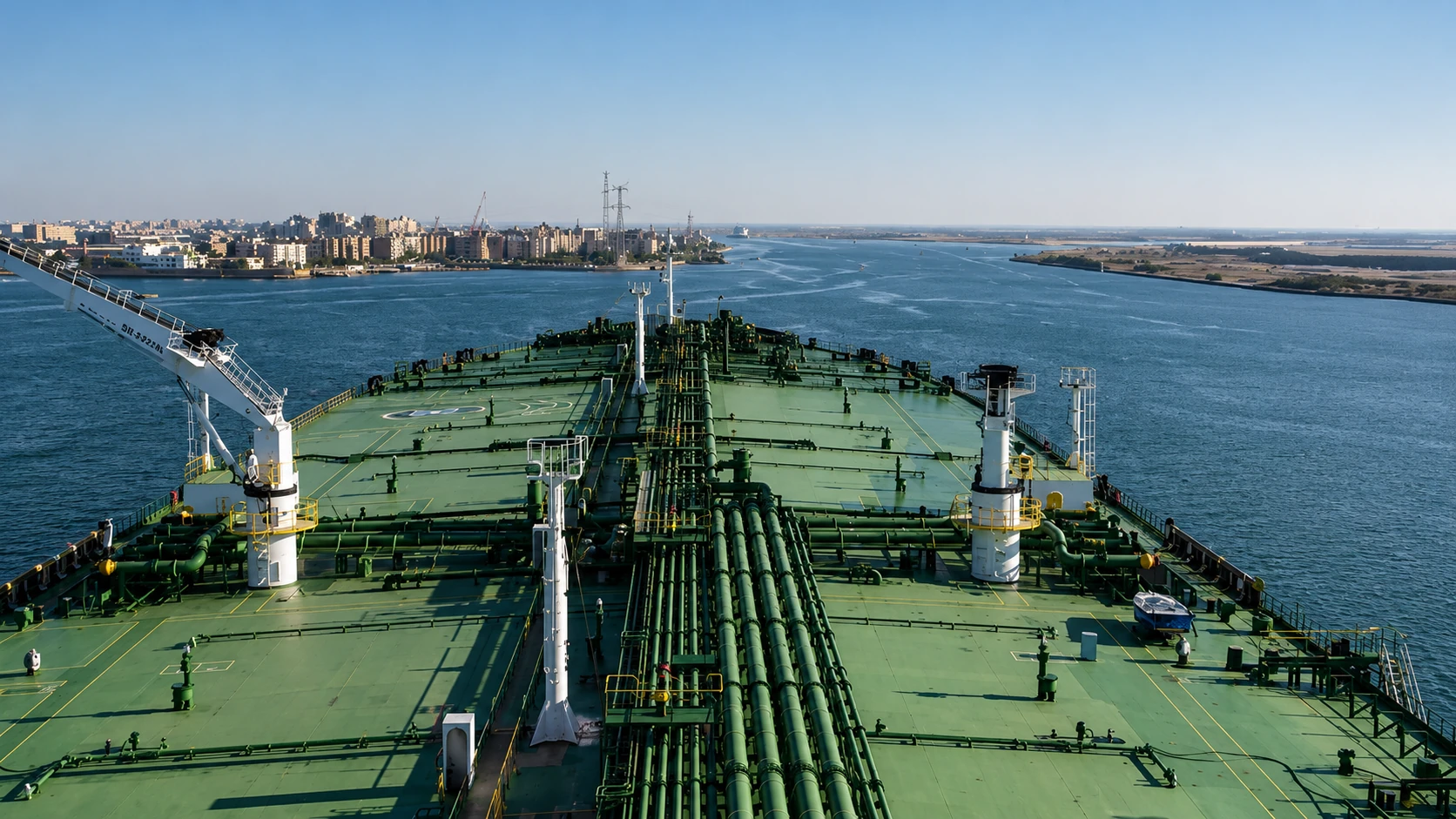
Verified market reporting also indicates that alternative Mediterranean routing is being tested. TradeWinds reported on the same date that the VLCC DHT Mustang entered the Suez Canal and described a developing pattern in which VLCC operators use the canal and Egypt’s SUMED pipeline system to move crude between the Red Sea and Mediterranean without taking a laden VLCC through the entire canal. This is an operational adaptation, not evidence that a broad, stable replacement route is available to all cargoes or ships.
The immediate implication is that tanker voyage planning is becoming a linked security-and-infrastructure problem. A shipowner or charterer considering a Red Sea/Suez passage must assess the vessel’s commercial connections, the current security picture, canal acceptance and scheduling, draft restrictions, terminal windows, pipeline-interface arrangements where relevant, and the availability of suitable tonnage at each end of the route. The US Maritime Administration’s active advisory continues to identify hostile-action risks in the southern Red Sea, Bab el-Mandeb and Gulf of Aden, particularly for vessels with Israeli, US or UK associations. Its operational guidance is directed to US interests, but it reinforces the need for company-specific risk assessment rather than reliance on a generic routing assumption.
**Why this matters:** For cargo interests, the relevant exposure is no longer only freight or bunker cost. Suez/SUMED alternatives can change laycan confidence, demurrage risk, cargo segregation and documentary coordination. For owners, operators and P&I interests, the decision chain should include updated voyage risk assessments, clear master’s authority, communications protocols, safe-port and war-risk wording, contingency bunker and stores plans, and early notification to insurers and security-reporting centres. The developing route pattern may preserve some crude flows, but it also concentrates operational dependencies in the Red Sea–Suez–Mediterranean corridor. Conditions remain fluid and should be checked immediately before fixing, sailing or authorising a deviation.
Technology supported research and drafting. TWS retains editorial responsibility for the published content and cited sources.
Need operational support?