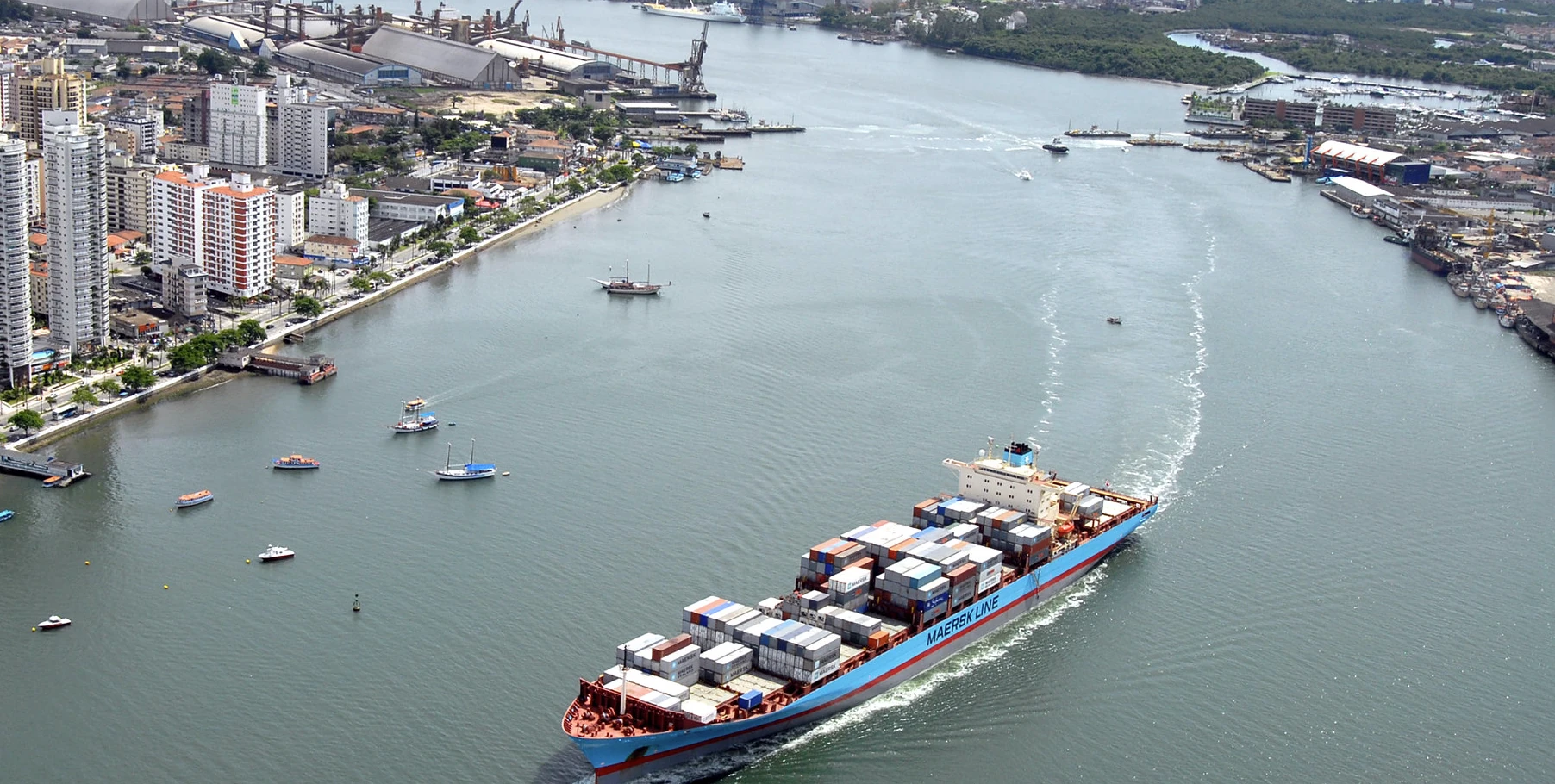
Brazil’s National Waterway Transportation Agency (ANTAQ) has extended the deadline for submissions on the proposed concession of the access channel to the Port of Santos, São Paulo. The agency announced on 3 August that contributions to Public Hearing No. 02/2026 may now be filed until 29 September 2026, under Deliberação-DG No. 55/2026.
This is a regulatory-process development, not an award decision. ANTAQ is seeking comments on the technical and legal documents that will underpin a future tender for the concession. Its consultation page confirms that the project remains in the public-consultation stage and that the date for a virtual hearing is still to be defined. Stakeholders must use ANTAQ’s electronic form for text submissions; the agency also permits supplementary digital maps, plans and images through the designated channel.
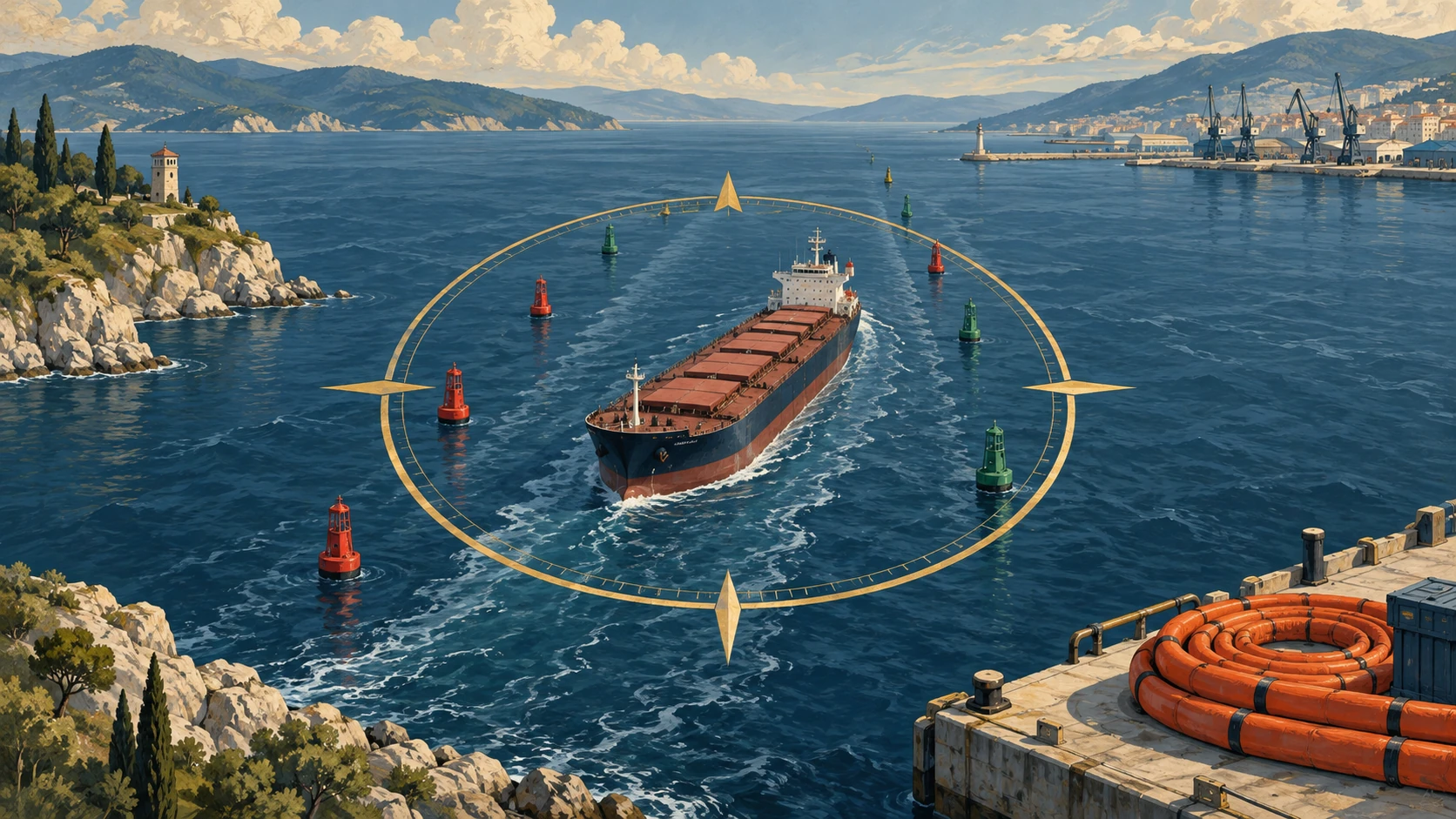
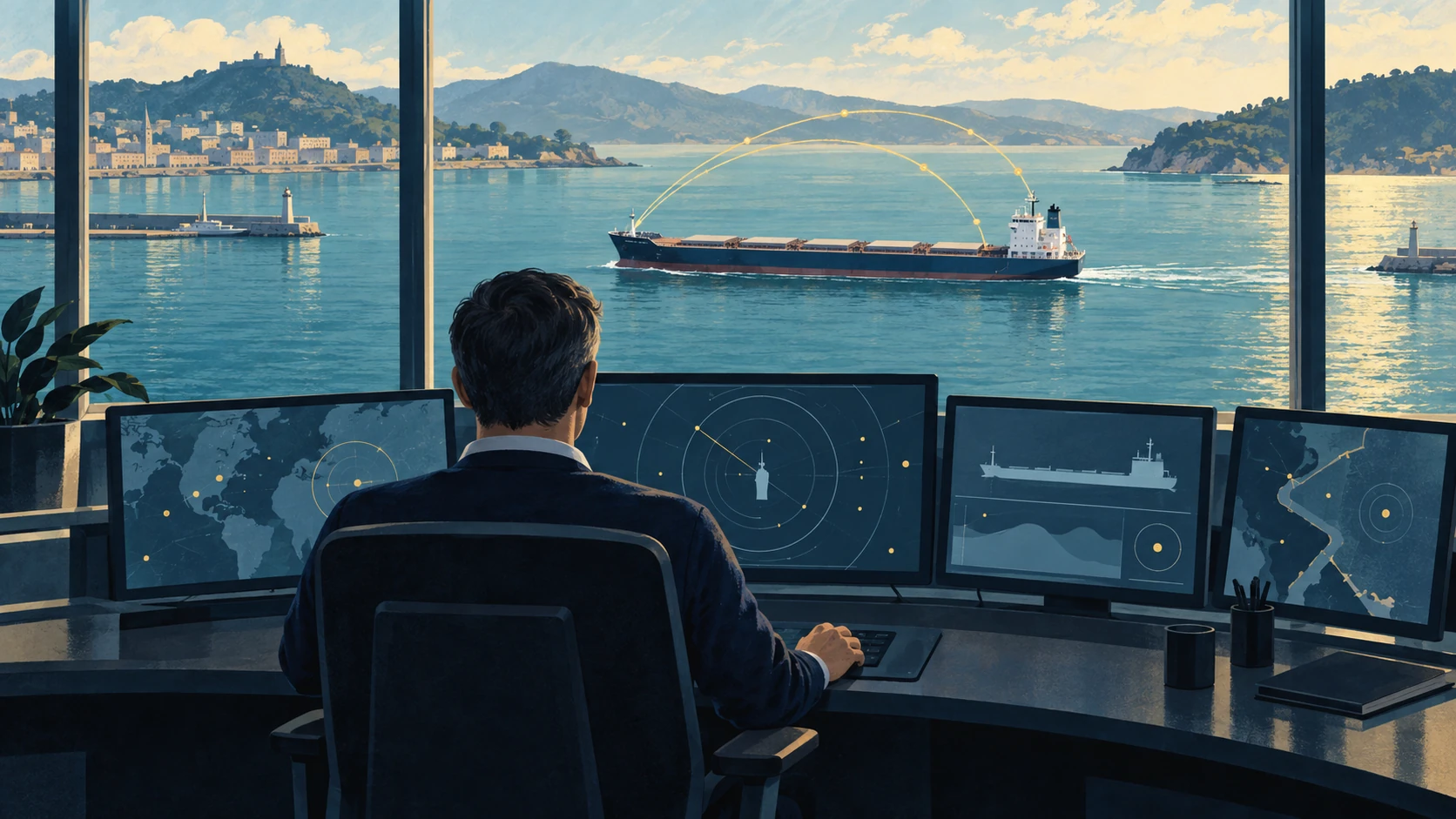
The underlying proposal is material to vessel operators and cargo interests using Brazil’s principal port gateway. According to the Ministry of Ports and Airports, the draft model envisages a 25-year concession for management and operation of the access channel, with estimated investment of R$688 million. The proposed concessionaire would undertake maintenance dredging, navigational-aid modernization, environmental management and deployment of a Vessel Traffic Management and Information System (VTMIS). The ministry has said the draft targets a 16-metre depth within three years and 17 metres within six years. Those parameters remain proposals subject to the consultation and subsequent approvals; they are not yet contractual obligations.
**Why this matters:** The extension creates a longer window for shipowners, terminal users, pilots, charterers, P&I interests and cargo owners to test the practical assumptions behind the draft: depth and width targets, dredging availability, traffic-management arrangements, environmental permissions, service continuity during transition, performance standards and the allocation of delay and cost risk. For operators, access-channel reliability directly affects maximum permissible draft, tidal-window planning, berth productivity, cargo intake and voyage economics. For claims and insurance teams, the eventual allocation of responsibility for navigation support, channel condition, notices and operational restrictions may become important in delay, grounding and cargo-shortage disputes.
The immediate action is therefore documentary rather than operational: parties with exposure to Santos calls should review the published draft contract, tender documents and feasibility study, preserve voyage and port-call data that can substantiate comments, and identify clauses that could affect contracts of affreightment, charterparty warranties, terminal arrangements or port-cost assumptions. No change to current access-channel rules was announced with the extension itself.
Technology supported research and drafting. TWS retains editorial responsibility for the published content and cited sources.
Need operational support?