Verified development
The Paris and Tokyo Memoranda of Understanding on Port State Control are scheduled to run a joint Concentrated Inspection Campaign on cargo securing from 1 September to 30 November 2026. The Paris MoU identified cargo securing as the 2026 campaign subject in its May 2024 committee release. More recent industry briefings describe the campaign as covering compliance with SOLAS requirements for the loading, stowage and securing of cargo units and cargo transport units.
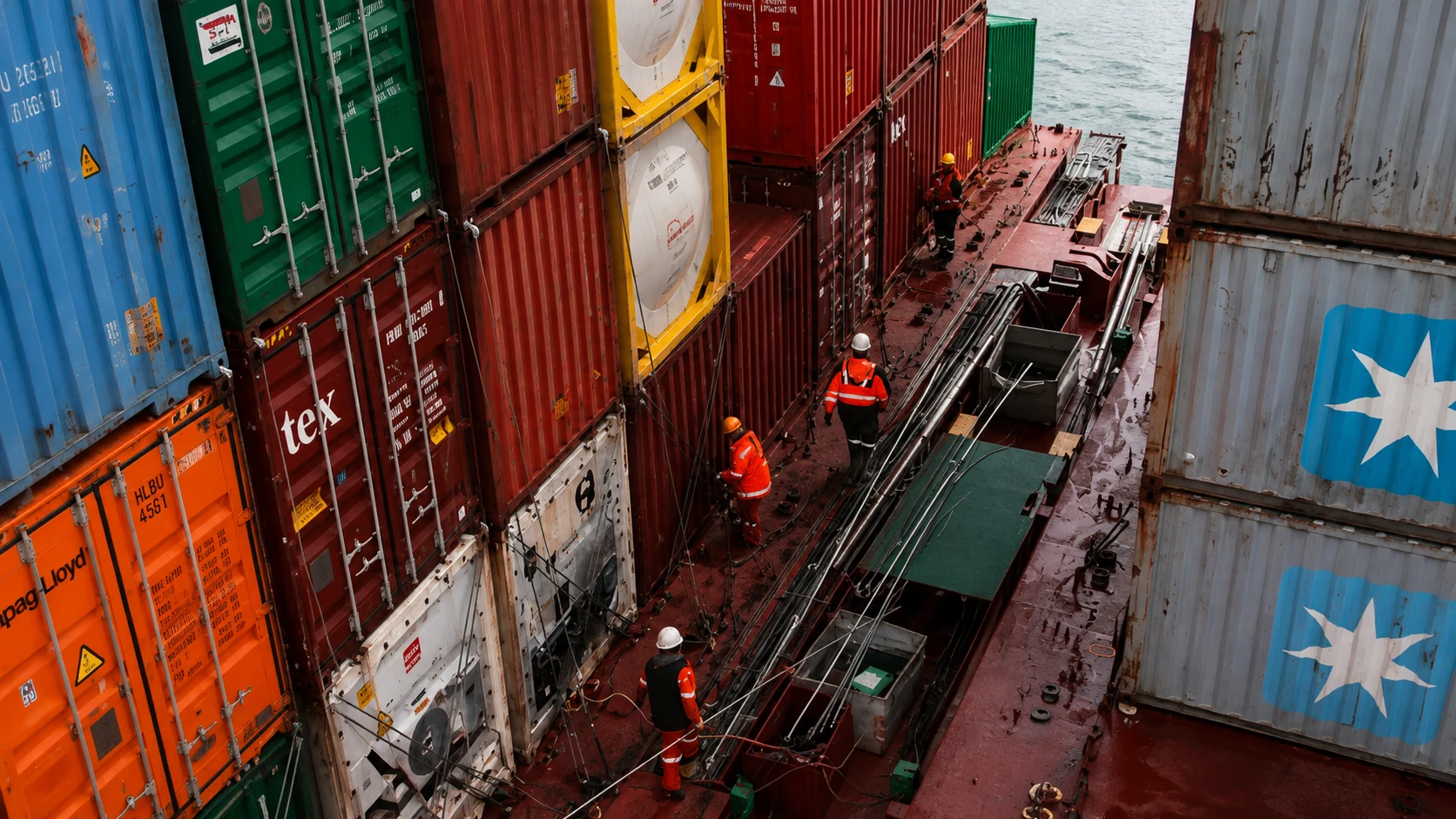
The inspection guidance available to the industry indicates that port state control officers will examine whether cargo securing arrangements are documented and implemented in practice. Expected areas include the ship’s Cargo Securing Manual, the condition and suitability of lashing and securing equipment, cargo-specific securing arrangements, relevant maintenance and inspection records, and crew knowledge of the procedures. The guidance also links the campaign to the continuing industry work on factors behind container losses, while extending the operational focus beyond container ships to cargo units generally.
A vessel found with deficiencies may face actions ranging from recorded deficiencies and rectification instructions to detention where serious shortcomings are identified. The campaign is intended to apply a dedicated questionnaire alongside normal PSC activity; a ship is ordinarily subject to one CIC inspection during the campaign period.
Analysis and practical loss-prevention lesson
For cargo interests and liability stakeholders, this is more than a documentation exercise. A mismatch between an approved Cargo Securing Manual, the cargo actually carried, and the securing arrangement used can become both a safety exposure and a difficult claims-evidence issue after cargo shift, package damage, container loss or heavy-weather damage. The most useful evidence is created before departure, not after an incident.
Operators should therefore verify, before the campaign begins, that the current approved manual is available on board and reflects actual shipboard equipment and trade patterns. Masters and deck officers should be able to demonstrate cargo-specific checks: condition and discard criteria for lashings, compatibility of fittings, securing points, pre-sailing inspections, weather-routing or heavy-weather precautions, and the recording of defects and corrective actions. For non-standard, project, breakbulk and deck cargoes, voyage-specific engineering, stowage sketches, photographs and signed checklists should be retained with the cargo file.
Cargo owners, charterers, P&I interests and insurers should also consider whether contractual instructions, declared weights, packing information and loading plans can be matched promptly to the vessel’s contemporaneous records. That linkage helps establish the factual chain between cargo presentation, stowage, securing, voyage conditions and any later alleged loss. It also supports early survey decisions before evidence is altered by discharge, repair or re-stowage.
Technology supported research and drafting. TWS retains editorial responsibility for the published content and cited sources.
Need operational support?